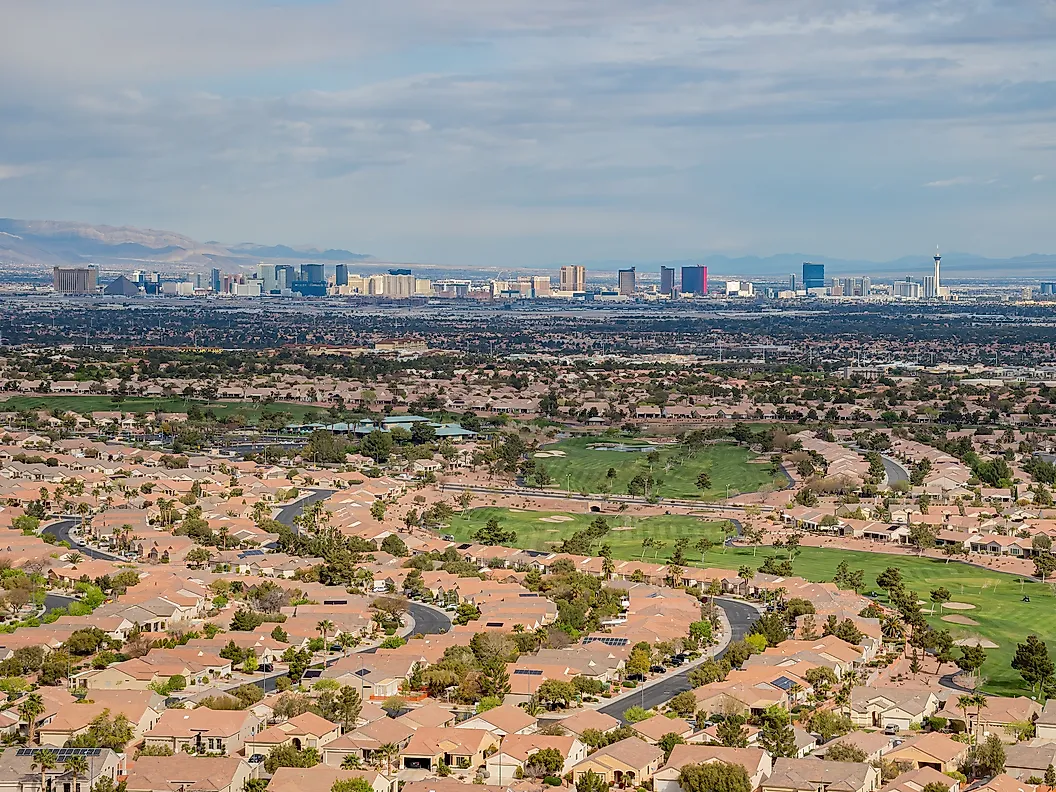
A starter home search in the Las Vegas Valley rarely begins with a dream kitchen. It begins with a number the buyer can survive. Sunrise Manor Nevada sits in that hard, honest space where the payment matters more than the granite, and where first-time home buyers often find their first real shot at ownership. The area draws renters who are tired of watching rent rise, workers who need access to the Strip or Nellis Air Force Base, and families who want a lower price point without leaving Clark County. That is why the neighborhood deserves a closer look, not a quick label. When buyers compare market notes through a local real estate visibility resource, the same pattern keeps showing up: the cheapest home is not always the best buy, but the right east-side property can open a door that many Las Vegas areas have already shut. If you want entry-level Las Vegas homes, you need to understand the trade-offs before you tour.
Why Sunrise Manor Nevada Fits the Entry-Level Buyer Search
The appeal starts with math, but it does not end there. A lower purchase price can help a buyer clear the lender’s debt-to-income test, yet the monthly payment still has to hold up after taxes, insurance, utilities, repairs, and commute costs. That is the part many online searches miss. A home that looks cheaper on the listing page can feel costly once the air conditioner runs through July. The best entry-level purchase is not the one that barely gets approved. It is the one that still lets you breathe after the keys land in your hand.
The price gap changes the first conversation
In many Las Vegas neighborhoods, first-time buyers get pushed into a narrow corner. They can raise the budget, shrink the home, accept a longer commute, or stay renters. This community gives them another path because the home mix still includes smaller single-family houses, older ranch layouts, townhomes, and properties that need work but are not hopeless. That mix matters because a buyer with a modest budget needs choices, not one lonely listing at the edge of the map.
That does not make every listing a bargain. Some sellers price old carpet and tired cabinets as if charm pays the mortgage. It does not. The buyer who wins here is not the one who gets dazzled by a low list price. The buyer who wins knows the payment, repair risk, and resale path before making an offer. A low price should start questions, not end them.
A concrete example helps. Say two homes have the same bedroom count. One sits in a pricier southwest area with a newer roof and higher HOA fees. The other sits on the east side with no HOA but an older HVAC system. The second one may fit the loan amount, yet the buyer needs a repair fund from day one. The cheaper house can still be the smarter purchase, but only when the buyer prices the weak spots before closing. A $12,000 repair after move-in can erase the comfort of a lower mortgage fast.
Why first-time home buyers need a sharper filter
A first purchase has less room for error. Move-up buyers can sometimes absorb a bad inspection surprise or wait out a slow resale market. First-time home buyers often cannot. They need a home that lets them build stability, not one that drains the savings account by month six. That means the search has to feel a little less romantic and a lot more practical.
That is why the best filter is not “lowest price.” It is “lowest risk at the price I can carry.” This means checking roof age, cooling system age, plumbing clues, permit history, and neighborhood noise before falling in love with square footage. In the desert, comfort is not a luxury feature. Cooling is part of livability. So is shade, airflow, and a floor plan that does not turn one room into a heat pocket every afternoon.
Here is the counterintuitive part: a smaller, plain home can beat a larger house with upgrades if the plain one has better bones. Fresh paint and vinyl plank floors photograph well. A clean electrical panel, sound attic ventilation, and a well-kept block wall protect your wallet in ways photos rarely show. That is where entry-level Las Vegas homes separate serious buyers from weekend browsers. The smart buyer does not ignore style. The smart buyer refuses to confuse style with strength.
The Location Works Best When Your Daily Map Works
After price, the next question is movement. A home has to fit the way you earn money, buy groceries, reach school, see family, and deal with traffic. On a map, the area looks close to much of Las Vegas. In daily life, the value depends on which streets you use and what time you travel. A house can be affordable on paper and costly in patience. That cost counts, even when it never appears on a lender worksheet.
Entry-level Las Vegas homes work only when the commute makes sense
The east side can appeal to hospitality workers, service workers, warehouse employees, military households near Nellis, and people with jobs spread across central Las Vegas. The Strip is not next door, but it is close enough for some workers to see the math work. A shorter route to work can save money even when the home itself is not perfect. For a buyer with one car, rotating shifts, or childcare pickups, that location benefit can matter as much as an extra bedroom.
Still, a test drive matters. Do it during the hour you would commute, not on a calm Sunday afternoon. Drive from the house to your job, your child’s school, your usual grocery store, and the freeway you would use most. A buyer can forgive an older kitchen faster than a route that turns every workday into a grind. Walk the block too. The feel from a windshield can miss barking dogs, parking pressure, lighting, and the way neighbors use the street after dinner.
The non-obvious insight is simple: proximity can lie. A house can sit near major roads and still feel slow if the turns, lights, or school traffic stack against you. Another house farther away may move better because the route is cleaner. Your real map is not measured in miles. It is measured in minutes you repeat five days a week. That is why two houses with similar prices can create different lives.
The small costs around the payment can decide the deal
Many buyers focus on principal and interest because that is the number lenders talk about first. The better question is, “What will this house cost me on a hot Tuesday in August?” Power bills, yard care, pest service, trash, insurance, and car fuel all enter the budget. So does the cost of replacing worn items that the seller has learned to live with. A first owner does not inherit the seller’s tolerance for problems. You inherit the bill.
This is where affordable Las Vegas neighborhoods need a full monthly view. A house with an older single-pane window package may lose its price advantage through cooling bills. A yard with no shade may look easy to maintain, then punish you every summer. A block wall repair can eat money that a buyer planned to spend on furniture. The same goes for a long drive that quietly adds fuel, tires, and stress. Cheap can become thin when the small expenses line up.
A practical move is to ask for utility history when possible. Sellers do not always provide it, but the question itself teaches you something. If a home has high bills, you can compare that cost against a nearby place with better insulation, newer windows, or a newer cooling system. The cheapest list price loses some shine when the monthly drag gets too heavy. Buyers should also check whether the home uses gas or all-electric systems, because the utility mix can shape winter and summer costs in different ways.
The Housing Stock Rewards Buyers Who Respect Age
The area’s entry-level appeal often comes from homes that have lived a few lives. Some were owner-occupied for years. Some have passed through investors. Some carry old repairs, half-finished updates, or rental wear. That mix can scare buyers away, yet it also creates room for informed negotiation. Age is not the enemy. Hidden neglect is.
Older homes can be safer than shiny flips
A neat, dated home can be a better bet than a fast flip with pretty surfaces. That sounds strange until you walk enough houses. The long-owned home may show age in the cabinets, but it may also show steady care. The flip may hide rushed work under new flooring, new counters, and bright lights. A new faucet means little if the plumbing behind it still has a history of leaks.
Look for honesty. A home that shows its age gives the inspector something real to judge. A home that looks newly polished asks you to trust the work behind the walls. That is not a reason to reject it. It is a reason to ask better questions. Who did the work? Were permits needed? Why was the property sold? Did the seller replace systems or only surfaces?
One east-side buyer might walk into a house with old tile, a simple kitchen, and a clean service record for the air conditioner. Another buyer might choose the house with gray floors, new fixtures, and no permit trail for major work. The second buyer may feel better on move-in day. The first buyer may sleep better after the first summer power bill. That is not fear talking. That is ownership math.
How inspection choices protect a thin budget
Inspection money can feel painful when cash is tight, but skipping checks is a poor way to save. At minimum, buyers should care about roof condition, HVAC age, electrical safety, plumbing leaks, water heater age, drainage, foundation signs, and any unpermitted additions. In the Las Vegas heat, the HVAC inspection deserves special attention. A weak system can limp through a showing and fail when the season turns harsh.
A general inspector gives the broad view. A specialist can help when something looks off. If the roof has patched areas, bring a roofer. If the cooling system looks old, get an HVAC opinion. If the house has additions, check permits with Clark County or the local records office. Small diligence here can stop a large regret later. This is where the buyer’s agent should earn trust by slowing the process down when the house asks for caution.
The smarter play is not fear. It is ranking repairs. Safety items, water issues, cooling, and structural concerns belong at the top. Cosmetic updates can wait. A buyer who accepts ugly countertops but negotiates a failing water heater is thinking like an owner, not a renter with a Pinterest board. That mindset turns affordable Las Vegas neighborhoods from a gamble into a practical path.
Buying Strategy in Affordable Las Vegas Neighborhoods
Once the right home type and location make sense, the offer strategy becomes the deciding factor. Current Las Vegas conditions have given buyers more room than the frenzy years, but that does not mean sellers hand over discounts. The better approach is calm pressure backed by clean numbers. You want the seller to see your offer as fair, not random. That starts with proof.
Local listings reward patient buyers
Patience is not the same as waiting forever. It means watching enough homes to know when a listing is overpriced, fairly priced, or underpriced for its condition. Buyers who tour only one weekend may overreact. Buyers who track the area for a few weeks start to see patterns in price cuts, days on market, and seller behavior. They notice which homes linger because of condition and which ones move because the price finally matched reality.
This is where a first-time buyer home checklist can help keep emotions from running the show. Before an offer, compare at least a few similar homes by size, age, condition, lot, garage, and location. If a seller wants top dollar for a home with old systems, the offer should say that in numbers, not in feelings. The same is true when asking for credits. Tie the request to inspection findings, not a vague wish for a better deal.
The counterintuitive move is to leave some homes alone. A low price can attract too many buyers if the home looks easy to fix. A fairly priced home with a boring listing can be a better target because fewer shoppers notice it. Bad photos, plain paint, and clutter can hide a solid house from people who shop with their eyes only. That quiet listing may give you more room to negotiate than the flashy one everyone saved.
Where the long-term upside may come from
No one can promise appreciation, and anyone who does should make you nervous. Still, a buyer can think clearly about what supports long-term value. Access to jobs, road connections, nearby retail, home maintenance, and the wider Las Vegas housing shortage all matter more than hype. So does the price you pay at the start. A good purchase price gives you more ways to win later.
The strongest upside may come from buying a livable home and improving it slowly. Replace the failing system before the fancy backsplash. Add shade before the outdoor TV. Improve storage before choosing high-end finishes. These choices do not always impress guests, but they make the home easier to live in and easier to defend at resale. For many first-time home buyers, boring improvements are the ones that build the most equity.
For market context, a buyer can compare local income, housing, and demographic data through the U.S. Census Bureau QuickFacts, then pair that with live listings and lender numbers. Data will not choose a house for you. It will help you avoid buying a story that sounds better than the property. A Las Vegas neighborhood buying guide can also keep your search organized when several areas seem close on price but different in daily feel.
Conclusion
The east side of Las Vegas asks buyers to be honest. It offers access, lower prices, and a real chance at ownership, but it does not reward lazy shopping. A first home here should be judged by payment strength, repair risk, commute fit, and whether the property can serve your life for the next five to seven years. Sunrise Manor Nevada makes sense when buyers treat affordability as a starting point, not a final answer. The right property may not be the prettiest one online. It may be the house with a plain kitchen, a clean inspection, a workable route to work, and enough room in the budget for repairs. That is how first-time home buyers turn a cheaper purchase into a steady one. Start with the monthly number, walk the streets, test the commute, and write offers like a homeowner who plans to stay.
Frequently Asked Questions
Is this area good for first-time home buyers?
Yes, it can work well for buyers who need a lower price point inside the Las Vegas Valley. The key is discipline. Focus on payment, inspection results, commute, and repair costs instead of chasing the largest house your lender will approve.
Are entry-level Las Vegas homes cheaper on the east side?
Often, yes. The east side tends to offer more lower-priced options than many newer suburban pockets. Price alone should not decide the purchase, though. Compare condition, utility costs, street feel, and likely repair needs before calling any home a deal.
How much cash should I keep after closing?
Keep enough for repairs, utility setup, moving costs, and at least a small emergency fund. Many new owners spend money faster than expected during the first three months. A cheaper home can still strain you if every dollar goes into closing.
What should I inspect before buying an older home?
Start with roof, HVAC, plumbing, electrical, water heater, drainage, foundation signs, windows, and any additions. Cooling matters more in Las Vegas than in many markets. A home that cannot stay comfortable in summer can become expensive fast.
Is the area close enough to the Strip for workers?
For some workers, yes. The answer depends on your shift time, route, and tolerance for traffic. Test the drive during your real commute window. A twenty-minute map estimate can change when school traffic, events, or road work enters the day.
Do homes here have long-term resale potential?
They can, but resale depends on condition, location, upkeep, and the wider Las Vegas market. Buyers should avoid betting only on appreciation. A home that stays affordable to own, easy to maintain, and practical for daily life has a stronger resale story.
Should I compare condos, townhomes, and single-family homes?
Yes. Each option carries a different cost profile. A condo may lower the purchase price but add HOA fees. A single-family home may offer more control but place every repair on you. Compare the full monthly cost, not only the sale price.
What is the best offer strategy in a buyer-friendly market?
Use recent comparable sales, inspection risk, and days on market to shape the offer. Do not ask for random discounts. Ask for terms that match the home’s condition. Seller credits, rate buydowns, and repair requests can matter more than price alone.