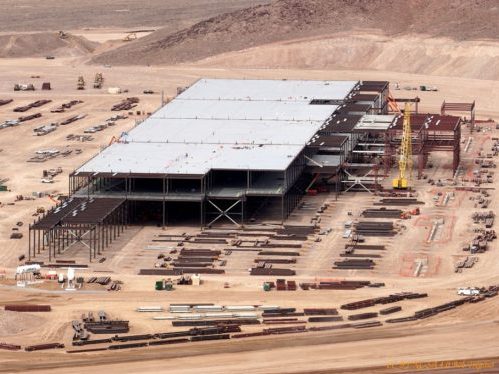
Sparks has stopped acting like a quiet edge of Reno and started behaving like the pressure valve for Northern Nevada’s job growth. The phrase local housing demand now means one thing for many buyers, renters, and small investors: how close can you live to steady industrial work without paying every dollar into shelter? Tesla’s Gigafactory sits east of Reno in Storey County, yet its daily pull reaches into Sparks streets, apartment searches, school zones, and mortgage decisions. Tesla calls Giga Nevada a high-volume site for electric motors, energy storage products, powertrains, batteries, and its first high-volume Semi factory. For readers tracking housing shifts across growing U.S. metros, regional market coverage is useful because Sparks is not a resort bet or a hype suburb. It is a working housing market tied to payroll, commute math, and supply limits. If you are deciding whether to rent, buy, hold, or sell near Reno, the real question is not whether Tesla matters. It is how much of the shift is already baked into the price.
How Tesla Proximity Is Reshaping Local Housing Demand
Sparks sits in the path between Reno’s services and Storey County’s industrial engine, so the city absorbs pressure that does not fit neatly at the factory gate. The Nevada Governor’s Office of Economic Development analysis says Tesla’s expansion was expected to add 4 million square feet of manufacturing space and about 3,000 additional jobs at build-out, with new facilities tied to battery cells and Semi production. That kind of job count does not land in one subdivision. It spreads through leases, starter homes, roommate setups, trade-worker rentals, and weekend open houses. GOED also estimated that the 3,000 direct jobs and related indirect work could support a population of about 12,000 people, with much of the workforce likely living in Washoe and Storey counties. Sparks becomes a logical landing place because it already has the daily services that Storey County’s industrial land was never built to carry.
Why Tesla Gigafactory Housing Is a Commute Story
The biggest mistake buyers make is treating the Gigafactory like a dot on a map. A factory shift does not care that a listing looks close in miles. It cares about I-80 timing, winter road conditions, parking routines, and whether a worker can get home at 6 a.m. without crawling across town. That is where Sparks gains an edge over neighborhoods that look equal from a laptop search.
That is why Sparks earns attention. It gives many workers a shorter eastbound rhythm than western Reno, while still offering schools, grocery runs, repair shops, and daily life. A family renting near Vista Boulevard may not describe itself as part of Tesla Gigafactory housing, but its choices are shaped by the same pull: live near work, cut drive stress, and keep enough room for kids, tools, or a second vehicle. A ten-minute savings each way sounds small until it is multiplied across night shifts, overtime weeks, and icy mornings.
Here is the non-obvious part. The closest home is not always the best home. A slightly longer drive inside a better daily routine can beat a cheaper unit with poor storage, bad noise, or no safe place for a work truck. In Sparks, commute value and livability now trade places street by street. A rental that works for a single technician may fail for a family with two school drop-offs, which is why map distance alone can mislead both tenants and investors.
Why Payroll Changes the Buyer Pool
Manufacturing pay affects housing in a different way than tourism wages. Casino and service jobs can be steady, but factory, trade, technical, and maintenance roles often create buyers who need parking, garage space, and predictable travel more than downtown nightlife. GOED’s project summary estimated Tesla’s added jobs would include production workers, material handlers, skilled trades, technicians, and engineers, with an average wage listed at $33.49 per hour including benefits.
That mix matters. A technician moving from out of state may rent for six months near Sparks Marina, then buy in Spanish Springs if the school fit and mortgage math work. A local tradesperson may skip Reno listings and hunt in older Sparks neighborhoods because the garage matters more than granite counters. A logistics worker may choose a newer rental because a 12-hour shift leaves little patience for old plumbing. These are not abstract profiles. They are the kinds of decisions that show up in application stacks, inspection reports, and Saturday showings.
The surprise is that higher-paid tech workers are not the only force. Moderate-wage workers create the deeper, steadier base. They fill the middle of the market, where a landlord can keep a clean three-bedroom leased and a seller can still find buyers for a practical home with no drama. In a factory-linked market, boring can be valuable. The house that keeps a monthly budget calm may beat the house that looks better in photos.
Where Reno Sparks Real Estate Feels the Factory Effect First
Reno gets the name recognition, but Sparks often feels the daily pressure sooner because it is simpler to live there for east-side work. Realtor.com’s current Sparks snapshot shows a median listing price near $587,000, median rent near $2,597, and a seller-leaning market with homes moving in about 30 days in May 2026. Those numbers can move each month, yet they show the core pattern: Sparks is no longer the automatic discount next to Reno. It has its own demand logic. That matters because buyers who once treated Sparks as Plan B may now find themselves competing with workers who picked it first.
Older Neighborhoods Carry Hidden Value
Older Sparks streets near Oddie, Greenbrae, and parts of downtown can look plain beside newer master-planned areas. That is part of their appeal. Workers who need function may prefer a smaller house with a usable yard, a shorter grocery route, and fewer fees over a bigger home farther north. For an owner-occupant, that can mean less shine and more control over the monthly payment.
The risk is repair math. A lower price can vanish after a roof, electrical panel, furnace, or sewer line. A smart buyer treats inspection results like part of the purchase price, not a side note. In Reno Sparks real estate, the better deal is often the house with boring systems that already work. A dated kitchen can wait. A failing heater in January cannot.
Counterintuitive, yes. Pretty homes can be weaker assets when the buyer pool is tired, practical, and time-starved. A clean driveway, storage, insulation, and a sane commute can beat trendy finishes in this part of the metro. Investors who understand that can avoid over-improving. Sellers who understand it can spend money where buyers feel risk, not where photos feel cute.
Newer Edges Attract Families, But They Test Budgets
Spanish Springs, Wingfield Springs, and other northern or eastern growth areas offer newer homes, wider streets, and more room. That makes them attractive to families tied to industrial work but not willing to live in a bare-bones rental. Realtor.com’s neighborhood data shows higher median listing prices in areas like Wingfield Springs than in downtown Sparks, which fits what buyers see on the ground.
The catch is the total bill. A buyer may qualify for the loan, then feel squeezed by fuel, child care, HOA dues, landscaping, and Nevada’s rising insurance costs. A house can be affordable on paper and still feel heavy on a Tuesday night when two adults are juggling shifts. This is where first-time buyers get hurt: they price the mortgage, but forget the rhythm of the life around it.
This is where Northern Nevada real estate trends matter more than a single listing alert. Sparks has micro-markets now. One area sells lifestyle. Another sells function. A third sells commute control. Treating them as one blended suburb leads to bad pricing and tired buyers. The sharper move is to rank neighborhoods by daily friction, then compare price. The cheapest payment is not always the lowest-cost life.
Why the Sparks Rental Market Tightens Before Buyers Notice
Renters usually feel the shift before headlines catch up. Buyers can wait, save, or stay with family. Renters tied to a job start date often cannot. When a plant, supplier, or contractor ramps up hiring, the first wave searches for apartments, townhomes, rooms, and short-term leases before they think about a down payment. That first wave can reshape asking rents before sales data looks dramatic. It also tells landlords what kind of household is arriving.
Job Starts Create Fast Leasing Pressure
A new worker does not need a perfect home. They need a door key. That is why the Sparks rental market can tighten even when homebuyers are still debating interest rates. A single production line change can place dozens of people into the same online rental search within days. The renter who is relocating next month does not have the luxury of waiting for the “right” market.
Reuters reported in 2025 that Tesla planned to hire more than 1,000 workers in Nevada as it moved toward ramping Semi production, with the first units expected to begin production at the Sparks-area Gigafactory by the end of 2025, according to the report. That kind of hiring news does not mean every new worker rents in Sparks. But it does explain why landlords and renters watch factory timelines as closely as mortgage rates.
One overlooked detail is lease length. Workers who arrive for training, contract work, or probation periods may want six months, furnished rooms, or flexible terms. That demand can lift small landlords who manage well, but it can frustrate families looking for a stable, fairly priced place near schools. The best landlords make clear rules early. The weakest ones chase rent bumps and lose good tenants to chaos.
Renters Compete With Future Buyers
The same household may be a renter today and a buyer next year. That blur is what makes Sparks hard to read. A family leasing a three-bedroom near Sparks Boulevard may be testing the commute, learning neighborhoods, and waiting for rates to settle. Their lease is not the end of the story. It is the scouting trip. When they become buyers, they already know which streets feel safe, which routes clog, and which parks fit their kids.
The Sparks rental market also catches people who would have bought in an easier rate climate. When mortgage payments jump, solid earners stay renters longer. That keeps pressure on better rentals and gives landlords less reason to discount well-kept homes. It can also leave younger local families feeling boxed in, because they compete against new arrivals with relocation cash and stable job offers.
The practical takeaway is blunt. If you rent, speed matters. Have pay stubs, references, pet details, and deposit funds ready before you tour. If you own rental property, cleanliness and clear communication can matter as much as squeezing the last dollar from monthly rent. The renter who trusts you may stay longer than the renter who paid the highest first offer.
What Investors and Homeowners Should Watch Next
The factory story is powerful, but it can also make people sloppy. A Tesla headline does not turn every Sparks property into a winner. The best decisions still come from rent-to-income math, repair costs, neighborhood fit, and how many similar homes compete nearby. Sparks rewards owners who understand the worker base, not owners who buy any roof near I-80. The next few years will likely separate patient operators from buyers who confused job growth with a blank check.
Supply Limits Protect Prices, Until They Don’t
Sparks has room in some directions, but growth is not free. Roads, water, schools, sewer capacity, land ownership, and construction costs shape what can be built. The Truckee Meadows Regional Planning Agency says the regional plan coordinates land use, natural resources, infrastructure, and service provision across Washoe County. That sounds dry until you realize those choices decide whether new homes arrive close to jobs or far from them.
Limited supply can protect owners during steady job growth. It can also punish the region if homes remain out of reach for workers who keep the economy running. A market that prices out too many mechanics, nurses, teachers, and warehouse workers creates longer commutes and weaker civic life. The price chart may look healthy while the community underneath it gets strained.
The odd truth is that some new building can help current owners. More housing may soften rent spikes, but it can also make Sparks more stable by keeping workers near employers. A city that cannot house its workforce becomes brittle, even if home values look strong for a while. Stability is not the enemy of value. In a job-driven market, it may be the thing that keeps value from becoming fragile.
The Best Bets Are Practical, Not Flashy
For small investors, the sweet spot is not the fanciest property. It is the home that matches how people live: parking, storage, durable floors, good heat, solid cooling, laundry, and a route that works before sunrise. Tesla Gigafactory housing is less about sleek branding and more about tired workers needing a reliable place to land. The less glamorous features can be the ones that renew a lease.
For homeowners, the same rule applies. Before listing, fix the items that remove doubt. Service the HVAC, clean the yard, repair the fence, tune up the garage door, and make the house easy to show. Buyers in this lane may forgive dated counters faster than they forgive a shaky roof. A well-kept home tells a worn-out buyer, “You can move in and breathe.”
For more planning, a workforce housing market guide can help you compare rent, resale, and commute risks before you commit. The winning Sparks property is rarely the one with the loudest listing copy. It is the one that makes daily life easier after a long shift. That standard may sound plain, but plain is often where the money hides.
Conclusion
Sparks is changing because work patterns changed first. The city now sits in a rare position: close enough to Reno for services and close enough to Storey County for industrial paychecks. That does not make every deal safe, and it does not erase affordability stress for local families today.
The smarter view is more grounded. Watch jobs, roads, rents, and inventory together. That is why local housing demand in Sparks should be read as a living signal, not a slogan. If Tesla keeps expanding and suppliers keep circling the region, the market will keep favoring homes that solve everyday problems.
For buyers, that means choosing function over fantasy. For renters, it means preparing early and moving with proof in hand. For owners, it means pricing with discipline, not ego. Sparks is no longer Reno’s quieter cousin. It is one of Northern Nevada’s clearest tests of whether a fast-growing job market can still leave room for regular people to live well.
Frequently Asked Questions
Is Sparks Nevada a good place to live for Tesla Gigafactory workers?
Yes, especially for workers who want a shorter east-side commute while staying near stores, schools, parks, and Reno services. The best fit depends on shift hours, budget, parking needs, and tolerance for I-80 traffic during weather or peak travel.
How far is Sparks from the Tesla Gigafactory in Nevada?
Drive time depends on the exact neighborhood and shift schedule, but many Sparks residents treat the Gigafactory as a workable commute because it sits east of Reno in Storey County. Check routes at your actual work start time before signing a lease.
Is Reno Sparks real estate still cheaper than other Western tech markets?
Often, yes, when compared with coastal California metros, but that does not make it cheap for local wages. Prices and rents have climbed enough that buyers need careful payment math, especially when insurance, fuel, repairs, and child care enter the budget.
What type of home rents best near Sparks Nevada industrial jobs?
Practical three-bedroom homes, clean townhomes, and well-managed apartments often perform well when they offer parking, laundry, storage, and easy road access. Workers tied to long shifts tend to value reliability over showy finishes.
Should investors buy in Sparks for long-term rental income?
It can make sense when the numbers work without fantasy rent growth. Test the deal using conservative rent, repair reserves, vacancy time, and property management costs. A good commute cannot rescue a bad purchase price.
Are Sparks home prices driven only by Tesla?
No. Tesla is a major force, but Reno growth, California migration, limited buildable land, logistics jobs, interest rates, and lifestyle demand all play roles. Treat Tesla as one strong engine inside a wider Northern Nevada market.
What should renters prepare before applying in Sparks?
Bring recent pay stubs, ID, references, pet details, vehicle information, and funds for deposit and first month’s rent. In a tight rental search, a complete application can beat a higher-earning applicant who moves slowly.
Which Sparks neighborhoods are best for buyers who commute east?
The best area depends on budget, school needs, housing type, and route preference. Vista Boulevard, east Sparks, Spanish Springs, and Wingfield Springs may appeal to different buyers. Drive the commute during your real shift window before choosing.